Say it: pat thai gai Approximate English sounds
The most useful skill in a home Pad Thai is knowing when to leave the noodles alone and when to help them along. Sauce matters, but even an appealing sauce cannot turn a broken, sticky mass back into separate strands. Chicken Pad Thai becomes a much more approachable dinner when you treat noodle preparation as part of the cooking, rather than a preliminary chore. The Thai name ผัดไทยไก่, pad thai gai, identifies the chicken version. This guide focuses on a savoury, manageable home meal: understanding the noodles, arranging the ingredients and making small decisions with confidence. It explains a general preparation approach, rather than providing THAM's exact recipe or a tested set of ingredient quantities.
A familiar name with a complex history
Pad Thai is associated with twentieth-century Thai nation-building and campaigns encouraging noodle consumption, but accounts of its emergence differ. Thailand NOW discusses competing explanations rather than establishing one undisputed inventor. It is better to acknowledge that uncertainty than repeat an attractive origin legend as a documented fact. Thailand NOW on Pad Thai's history
The chicken version is a practical way to explore the dish today. It should not be presented as proof of the earliest recipe. Historical questions and dinner decisions can sit comfortably together: you can be interested in how a dish developed while choosing ingredients that make sense for your kitchen. Neither curiosity nor enjoyment requires a claim that one contemporary plate represents every earlier form.
Know which noodles you have bought
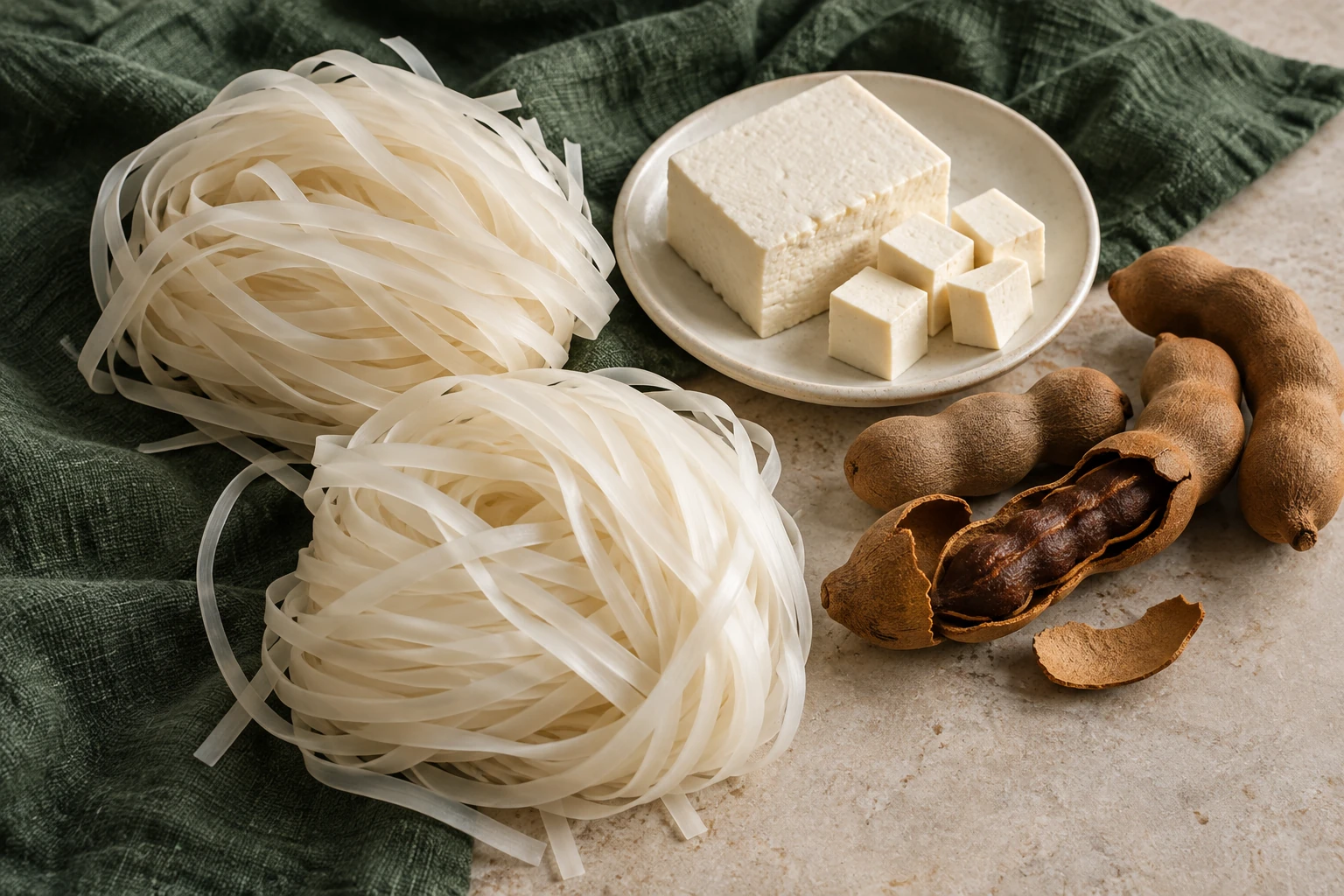
Rice noodles vary in width and preparation requirements. Pailin Chongchitnant explains that soaking hydrates dried noodles before heat completes their cooking in the pan. Her guide also distinguishes the treatment of different sizes, which is why a single soaking time should not be applied to every packet. Pailin's rice-noodle guide
Read both the packet and the recipe you intend to follow before starting. If they describe different products or different cooking methods, resolve that mismatch before the chicken enters the pan. Keep the packet nearby for your first attempt and note the brand afterwards. Recognising one familiar noodle is more useful than memorising a time detached from the product. It gives the next dinner a reliable starting point and makes any adjustment easier to understand.
Flexibility is information
Leela Punyaratabandhu's Pad Thai series recommends flat rice noodles and stresses the importance of preparation before stir-frying. Her discussion cautions against pre-cooking the noodles in a way that encourages them to clump. This reinforces the distinction between preparing noodles for a stir-fry and making a finished bowl of boiled noodles. Leela's discussion of noodles and preparation
Look at the noodles as you work. Do they bend, separate and fit into the pan comfortably? Use those observations alongside the instructions rather than treating the timer as the only source of information. If a packet behaves differently from your last one, that is useful evidence for the next batch. Rice-noodle cooking becomes less mysterious when you give the texture a name instead of describing every unsatisfactory result simply as “wrong.”
Recognising your noodles is more useful than memorising a time detached from the packet.
Build a sauce you can recognise
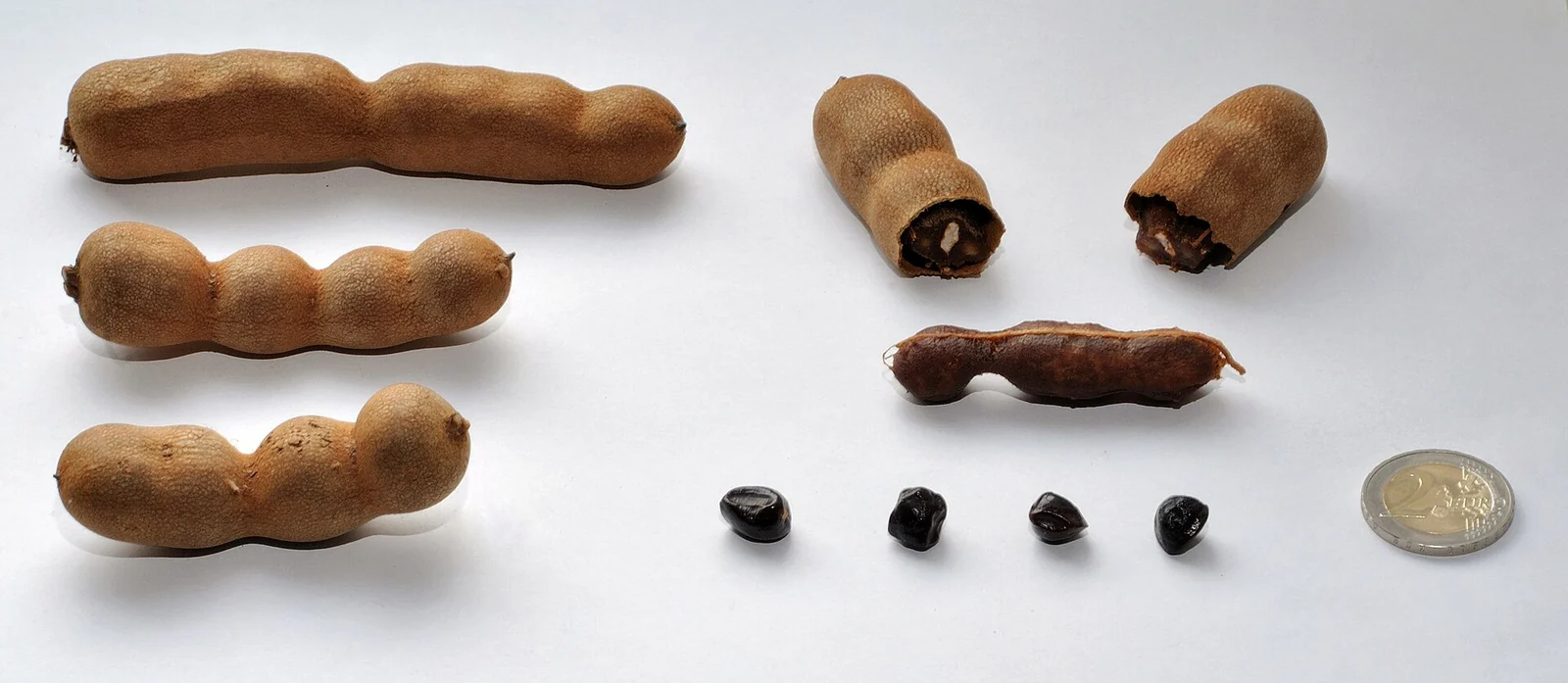
Tamarind provides the characteristic sour direction, while the other seasonings establish sweetness and savouriness. Praew's chicken Pad Thai uses a separate prepared sauce, illustrating how useful it can be to settle that part of the dish before stir-frying begins. Praew's chicken Pad Thai
For a first attempt, follow one coherent sauce recipe instead of combining quantities from several sources. A spoonful from one recipe may be designed for a different amount of noodles or a different tamarind product. Taste with a clear question: is the sauce balanced for the dish you are making, or are you trying to make it pleasant to drink by itself? Those are different goals. Keep some room for a final adjustment once the sauce is distributed through the noodles.
Chicken, egg and tofu have different roles
The chicken makes this version an approachable savoury dinner. Egg contributes soft, irregular pieces, while tofu provides another texture among the strands. A useful home plate gives each component enough presence that you notice it without having to search through a mountain of noodles. The confirmed THAM menu also lists these three ingredients, but that does not establish the details of its kitchen method.
When planning your own version, think about a comfortable forkful. Large chunks of chicken and tiny fragments of tofu create a different experience from smaller, more evenly distributed pieces. Neither requires a special claim of authenticity; it is a question of how you want the dish to eat. Make those cutting decisions before cooking, when you still have time to be deliberate.
Set up a dinner, not a juggling act
Lay out the prepared noodles, sauce and remaining ingredients in the order you expect to use them. Give raw chicken its own preparation space and have a clean plate available if you will remove it after cooking. Keep the serving plates ready, too. A tidy sequence makes the short cooking stage less demanding.
Pailin's make-ahead Pad Thai sauce approach is a useful reminder that quick finishing and quick preparation are different things. Some work can happen earlier without pretending the entire dish starts and ends in a few minutes. Pailin's prepared-sauce approach
Before turning on the heat, read your method once more from beginning to end. Notice any instruction that requires an ingredient you have not yet prepared. That brief check is often the most effective way to make dinner feel relaxed.
Cook with one texture goal at a time
Use a general sequence that gives the chicken time to cook, the noodles room to finish in their seasoning and the egg a chance to set. Cook poultry to 74°C and check it with a food thermometer. FoodSafety.gov cooking guidance
Pailin recommends small batches for Pad Thai because crowding traps moisture and makes noodle control harder. Pailin's rice-noodle guide
At home, this means choosing a batch you can actually move and inspect. Pause long enough to sample a strand once it is safe to do so. Is it ready, still resistant in the centre, or already softer than you wanted? Respond to that specific condition using your recipe's guidance. Continuous stirring without checking can feel productive while providing very little information about the result.
Finish the plate and ask clear questions
Serve the noodles promptly and let optional additions remain optional. For a home dinner, that might mean putting suitable table seasonings beside the plates rather than adjusting every portion identically. Taste the assembled dish before deciding that it needs more of anything. A complete bite gives better information than an isolated piece.
Chicken Pad Thai at THAM
THAM's Chicken Pad Thai is listed at 160 THB, with rice noodles, chicken, egg, tofu and tamarind. An extra portion of chicken, measured as 100 g raw weight, costs 39 THB. Other ingredients discussed in general Pad Thai traditions should not be assumed to be included in this restaurant version.
THAM prepares its dishes non-spicy by default. Request chilli if you would like it and ask the team about any allergy requirements before ordering. This is the chicken choice for a noodle-based meal with a savoury centre and tamarind character. If the plate inspires you to cook at home, begin with one well-observed batch. Understanding your noodles is a skill you can carry into every attempt that follows.
MAKE IT AT HOME
A little Pad Thai, at home.
An original home-kitchen adaptation, not THAM’s restaurant recipe.
Gather
- 150 g medium dried rice noodles; 200 g boneless chicken, thinly sliced
- 2 eggs; 80 g firm tofu, cubed; 100 g bean sprouts
- 25 g garlic chives, cut into short lengths; 1 small shallot and 2 garlic cloves, chopped
- 2 tbsp neutral oil; 2 tbsp chopped roasted peanuts; lime wedges
- Sauce: 30 g palm or light-brown sugar, 2 tbsp fish sauce, 3 tbsp pourable Thai cooking tamarind and 4 tbsp water
Cook
- Soak the noodles following the packet until pliable, then drain. Stir the sauce ingredients together until the sugar dissolves. If using concentrated tamarind, start with less and dilute and taste before cooking.
- Heat half the oil in a large pan. Cook the chicken until it reaches 74°C / 165°F at the centre, measured with a food thermometer. Transfer to a clean plate.
- Add the remaining oil, shallot, garlic and tofu. Stir briefly until fragrant. Add noodles and sauce; toss until the noodles are tender, adding small splashes of water if needed. Work in two batches if the pan is crowded.
- Clear a space in the pan, add the eggs and scramble until set. Fold into the noodles. Return the chicken, add sprouts and chives, and cook until everything is hot and the sprouts have softened.
- Serve promptly with peanuts and lime on the side. Taste before adding lime or further seasoning.
Check ingredient labels for allergens. This home adaptation has not been kitchen-tested; noodle brands and tamarind strengths vary, so adjust by texture and taste.
KEEP YOUR CURIOSITY HUNGRY
Begin with one well-observed batch; understanding your noodles will improve every attempt that follows.
Explore the THAM menuRead further
Photography & credits
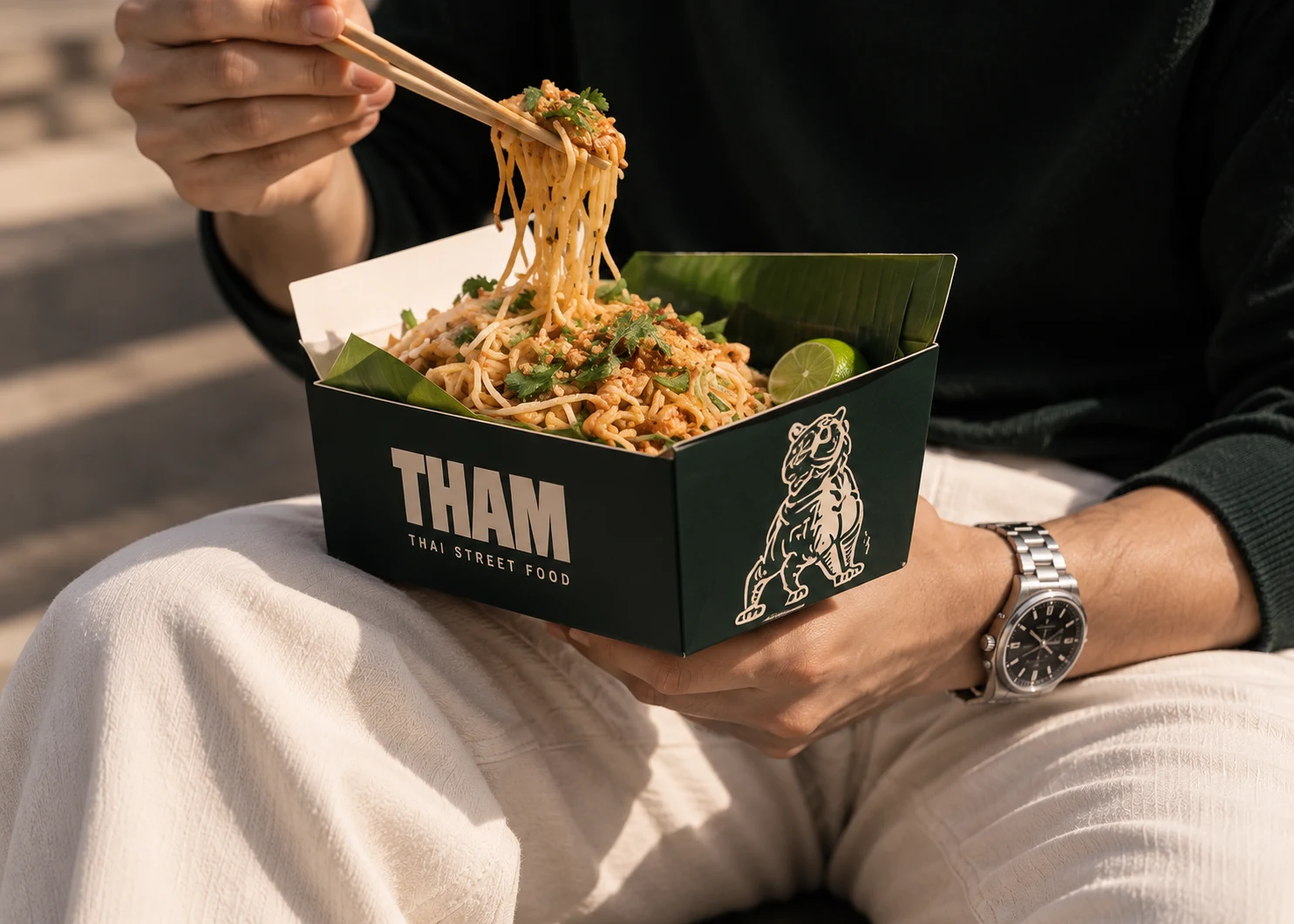
Editorial photographs illustrate Thai food and culture. THAM lifestyle images are creative brand imagery, including AI-generated scenes; they do not document the restaurant, its location or exact servings.
- Pad Thai, the THAM lifestyle collection — THAM — supplied creative brand imagery.
- Rice noodles, tamarind and tofu — THAM — AI-generated food illustration.
- Tamarind pods, pulp and seeds — kaʁstn (Carschten). CC BY-SA 3.0 de. Resized and compressed for the web.
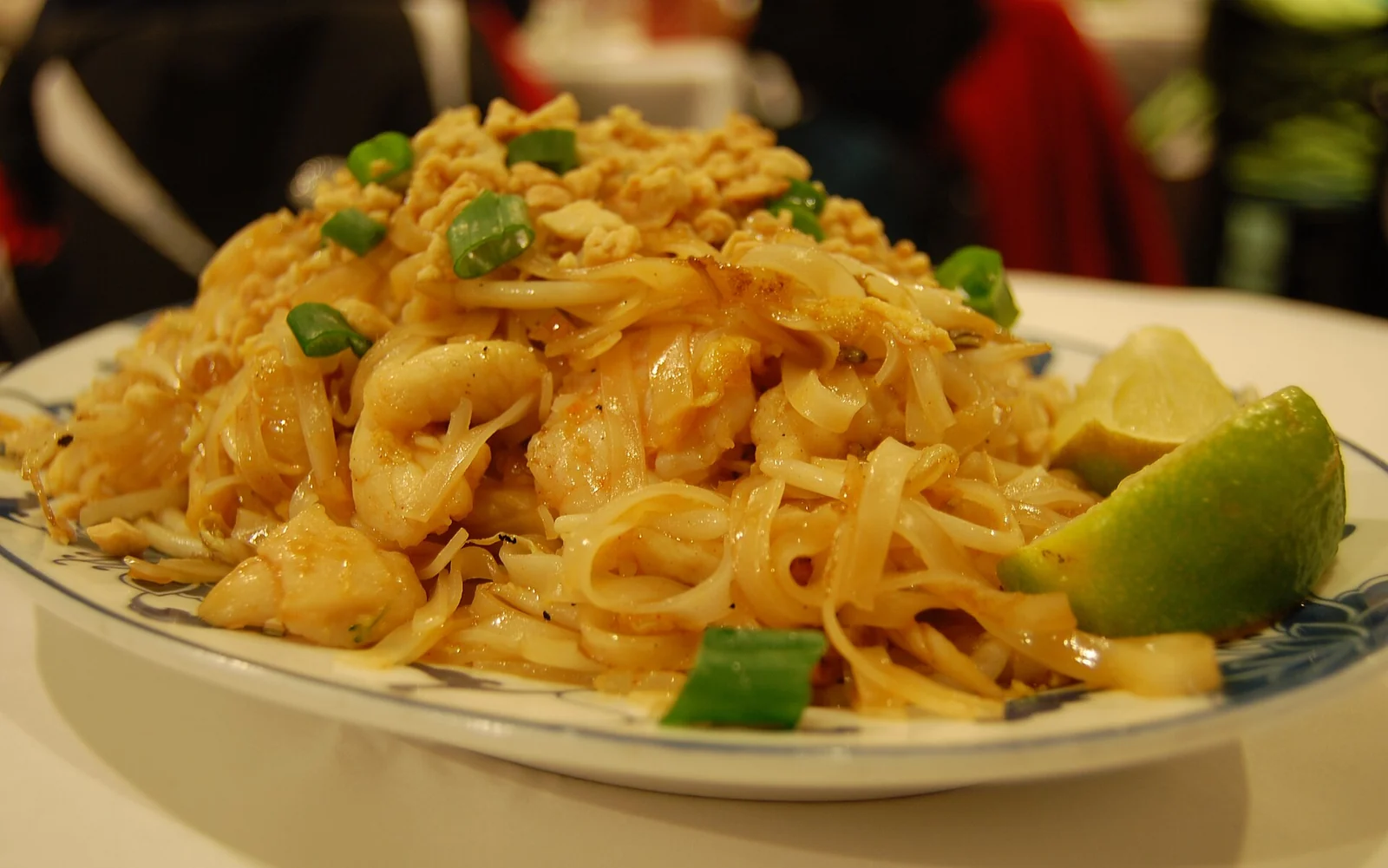
- A mound of pad Thai — Stu Spivak. CC BY-SA 2.0. Resized and compressed for the web.