Say it: khow pat gai Approximate English sounds
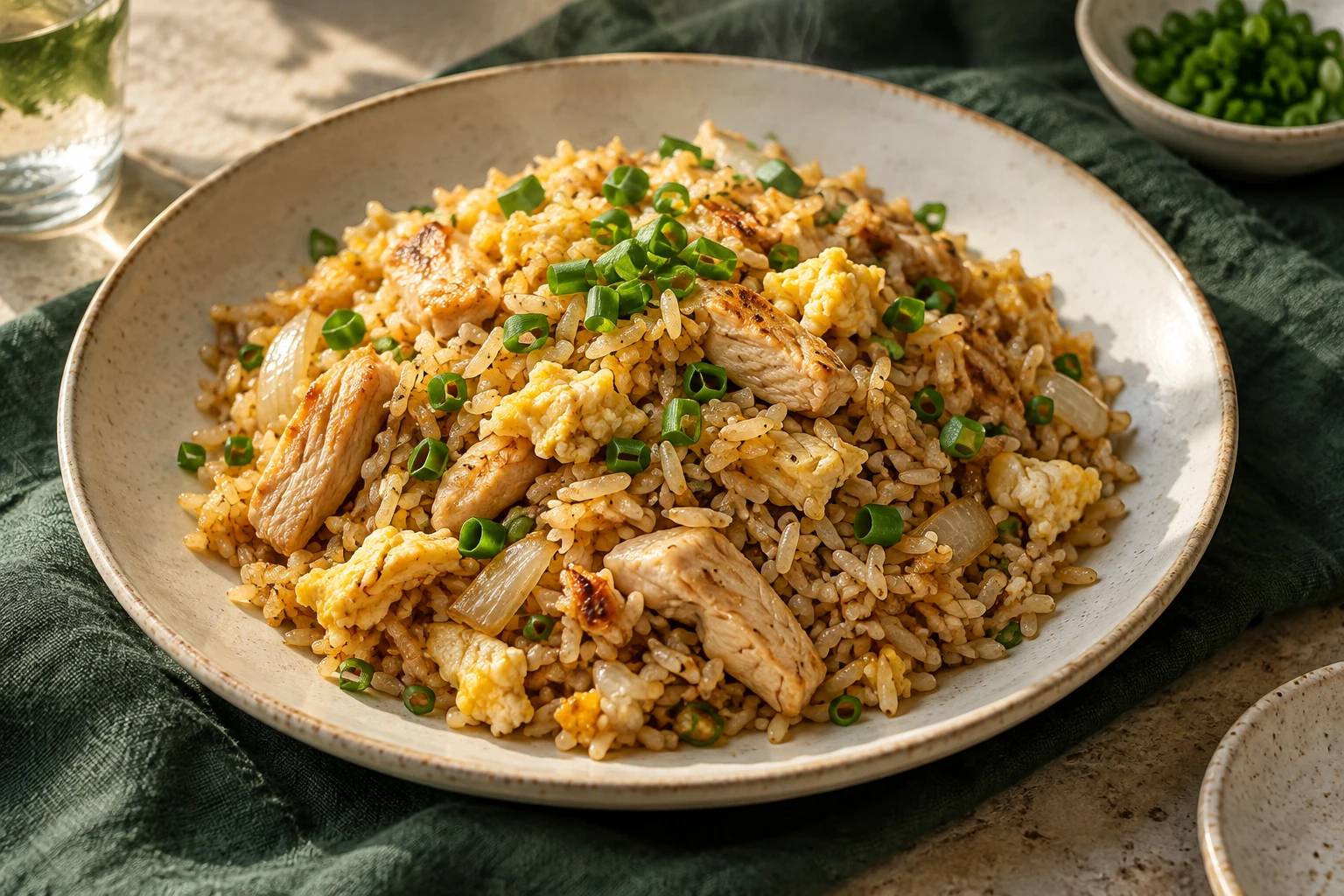
Chicken fried rice asks a cook to pay attention to small things. The rice should still feel like rice, the chicken should be enjoyable on its own, and the egg should contribute more than yellow flecks. A well-made plate is savoury and satisfying without needing a heavy sauce. It can be an uncomplicated lunch or the dinner you make when you want something familiar and properly cooked. In Thai, ข้าวผัดไก่ is khao pad gai: fried rice with chicken. This guide explores how the dish works, what to look for in the pan, and how to make sensible choices at home. The preparation advice describes a general approach, rather than THAM's kitchen recipe.
An everyday dish without one fixed formula
Khao pad belongs to a wider Asian family of fried-rice dishes, but a familiar name does not establish a single inventor or an exact date of creation. It is more useful to understand its place as an adaptable meal. ThaiTable presents fried rice as a lunch dish and a flexible way to combine cooked rice with meat and vegetables; its version includes seasonings and accompaniments that give the plate a recognisably Thai character. ThaiTable's fried-rice guide
Thailand Foundation includes khao pad among the Thai dishes recognised abroad, alongside curries and noodle dishes. Thailand Foundation's cooking introduction Chicken is one possibility within the fried-rice family. The practical question is whether every addition improves the rice or makes the pan harder to manage.
Start by understanding the rice
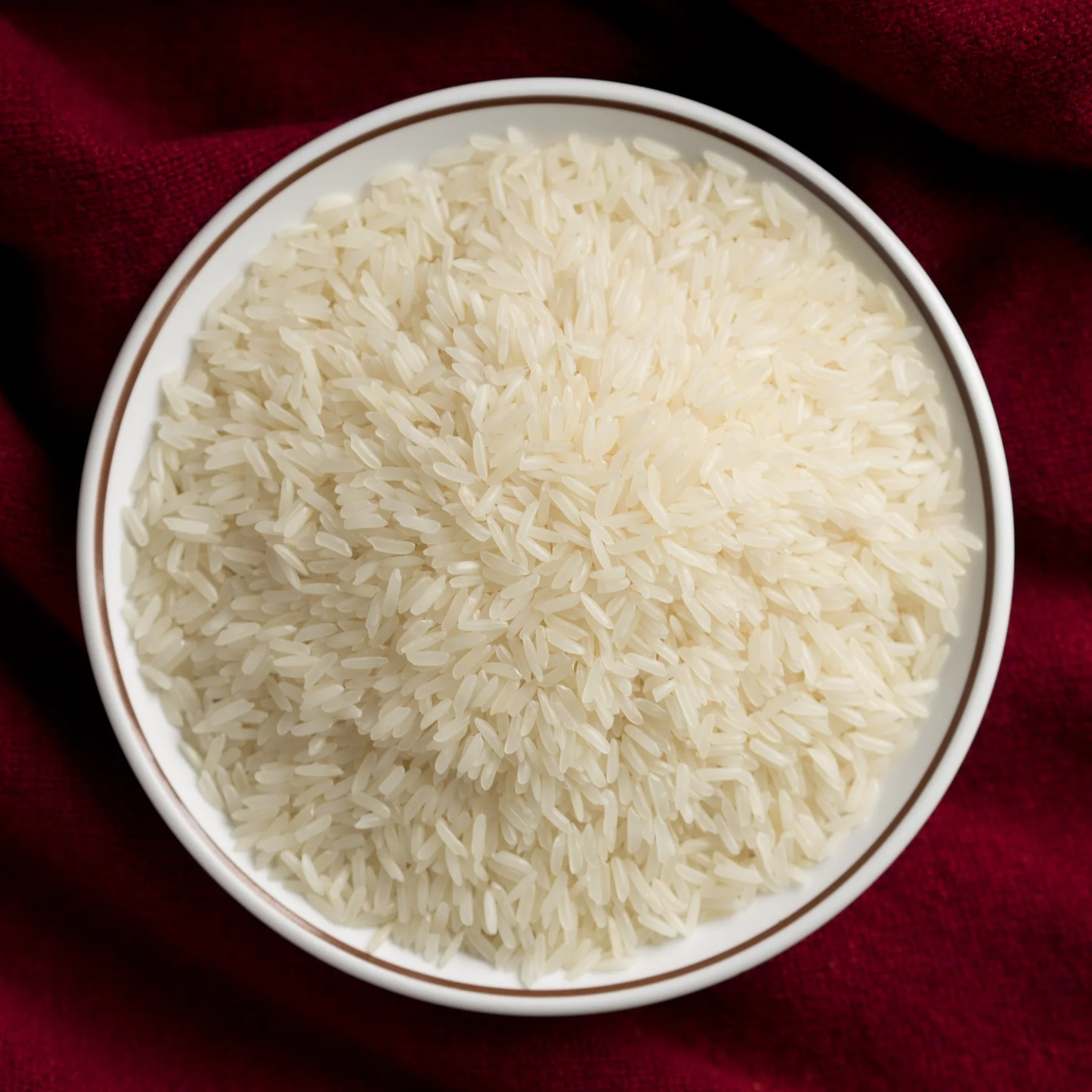
Jasmine rice appears in Thai cook Praew's chicken fried rice. Its grains provide the structure of the meal, while the chicken, egg and seasoning work around them. Her recipe also demonstrates that vegetables can vary; carrots or Chinese broccoli are possibilities, not a universal definition of khao pad gai. Praew's chicken fried rice
For your own first attempt, choose one rice you can buy consistently and note how it behaves after cooking. If a batch already feels very wet and fragile, more forceful stirring will not make it resilient. Keep your first pan modest so that you can observe the texture. This gives you a useful comparison for the next attempt, instead of changing the rice, vegetables and seasoning all at once.
Day-old is a convenience, not the objective
Pailin Chongchitnant challenges the idea that fried rice must start with cold rice from the previous day. In her crab fried rice guide, she explains that freshly cooked rice can work when it is sufficiently dry and the pan is not crowded. The useful distinction is moisture and cooking space, not the date on the calendar. Pailin's explanation of fried-rice texture
That changes how you plan dinner. If you already have properly stored rice, use it. If you are cooking rice for the meal, do not deliberately leave it sitting out for hours in pursuit of a restaurant texture. Make the decision early enough that rice preparation does not compete with the fast stir-frying stage. Organisation is a more dependable advantage than the promise of one secret ingredient.
Day-old rice is a convenience; the real goal is rice that fries well.
Give each ingredient a clear job
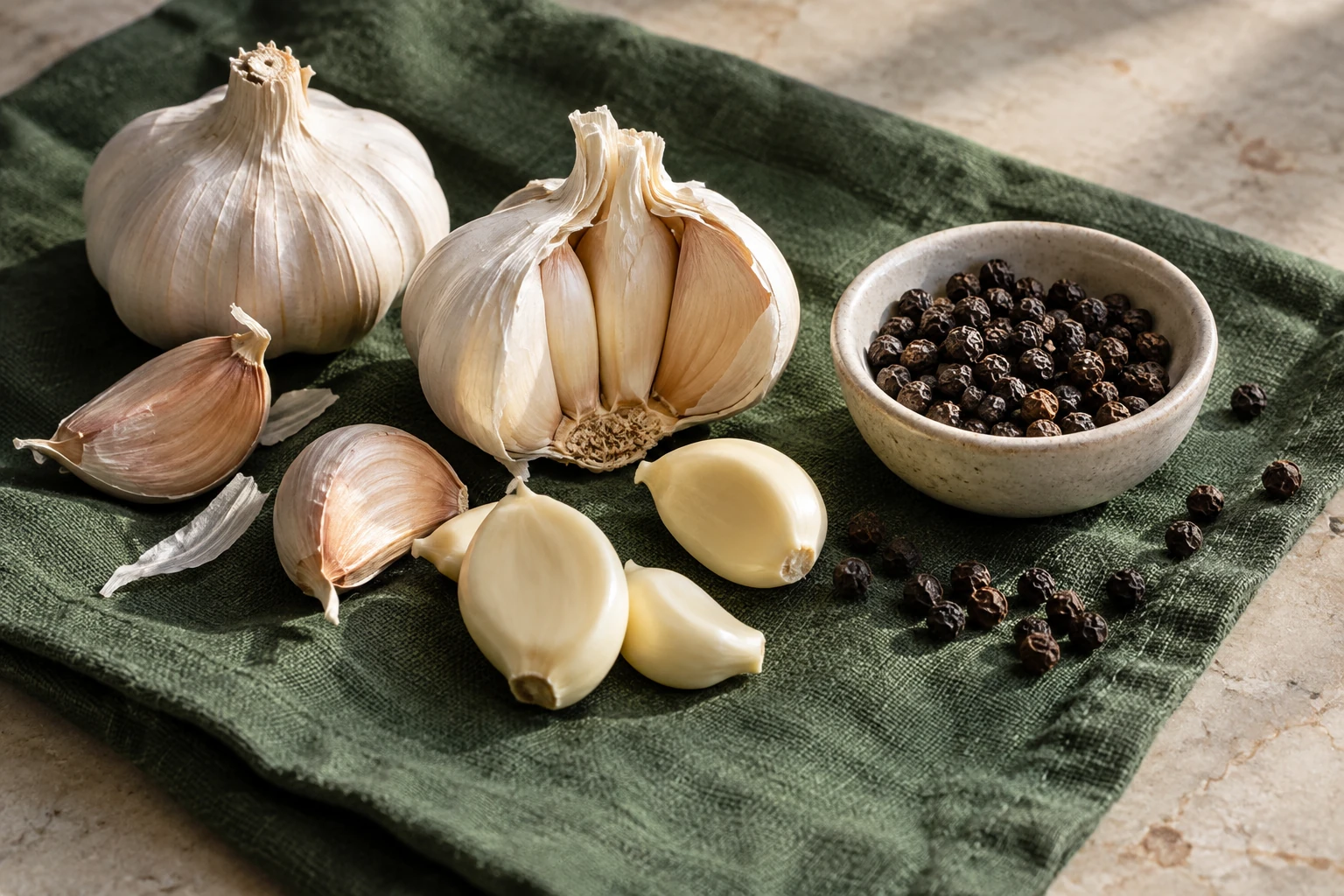
Chicken supplies a substantial, savoury bite. Egg introduces softer pieces and richness. Onion can provide sweetness and contrast, while soy sauce seasons the rice itself. Those roles help explain why the dish can feel complete with relatively few ingredients. They also explain why simply doubling a sauce is rarely the same as improving flavour.
Try imagining a spoonful before adding another vegetable. Can you still gather rice, a little egg and a piece of chicken together? Will the new ingredient fit comfortably on the spoon, or dominate it? The answer is a useful editing tool. You are arranging a meal that should eat easily, rather than compiling a list of ingredients that sound impressive. Optional additions belong to your home interpretation and should not be assumed to appear in THAM's version.
Prepare for the short cooking stage
Decide which bowl holds raw chicken, which clean plate will receive cooked chicken, and where the finished rice will go. Cut ingredients before heating the pan and place the measured seasoning within reach. Keep a tasting spoon ready, too. These small decisions prevent a common problem: the food is cooking while the cook is still searching through cupboards.
Consider how many people you can actually serve from one batch. Four portions on the table does not mean four portions must enter the pan together. Divide the prepared ingredients visibly if you intend to cook twice. This is particularly helpful when sharing a kitchen, because the second batch remains a complete set rather than whatever happens to be left beside the stove.
Build the dish in manageable stages
A general home sequence is to cook the chicken, make space for the egg, then combine the rice with the seasonings and other prepared ingredients. ThaiTable's method illustrates the value of moving cooked components aside so each stage has contact with the pan. ThaiTable's cooking method
The exact order can change with your pan and chosen vegetables. What matters is knowing why you have chosen it. If you remove cooked chicken while working on the rice, use a clean plate and return it at the end to heat through. Cook chicken to 74°C, checked with a food thermometer. FoodSafety.gov cooking temperatures
Pause to look as well as stir. Is the rice spreading across the cooking surface, or sitting in a deep heap? Answering that question is more useful than imitating dramatic wok tossing.

Serving choices and worthwhile variations
Lime and cucumber are familiar companions in the Thai fried-rice examples cited here. They offer a different eating experience from ingredients cooked through the rice: you can alternate bites or add acidity gradually. Pailin's crab version also shows how changing the main protein changes the emphasis of the dish, even when the underlying rice technique remains familiar. Pailin's crab fried rice
Rice storage and allergy questions
Rice handling deserves attention before frying begins. The UK Food Standards Agency advises cooling cooked rice quickly, ideally within one hour, refrigerating it, using it within 24 hours and reheating it only once. Do not leave a pot on the counter to cool slowly. FSA rice guidance
For allergies, the short dish name is not enough information. Egg and soy sauce matter, and the precise sauces, seasoning mixes and kitchen practices need checking. Explain the specific allergy when ordering rather than asking only whether the dish is “plain.” At home, retain ingredient packaging until everyone has finished eating if you need to check a label. Removing a visible topping does not answer questions about ingredients already mixed into the rice.
Chicken Khao Pad at THAM
THAM's Chicken Khao Pad is listed at 140 THB, with rice, chicken, egg, onion and soy sauce. An extra portion of chicken, measured as 100 g raw weight, is available for 39 THB. These are the confirmed menu details; the optional vegetables and accompaniments discussed above describe broader cooking possibilities.
THAM serves its dishes non-spicy by default. Request chilli if you would like it, and raise any allergy questions with the team before ordering. Khao pad gai is a useful choice when you want a rice-based meal with an approachable savoury character. At home or at the table, its appeal rests on the same simple pleasure: a spoonful in which the rice, egg and chicken all have a part to play.

MAKE IT AT HOME
Your next chicken Khao Pad.
An original home-kitchen adaptation, not THAM’s restaurant recipe.
Gather
- 400 g safely chilled cooked jasmine rice; 200 g boneless chicken, diced
- 2 eggs; ½ small onion and 2 garlic cloves, chopped
- 2 tbsp neutral oil; 2 spring onions, sliced
- 1 tbsp light soy sauce; 1 tsp fish sauce; ½ tsp sugar; white pepper to taste
- Cucumber slices and lime wedges, to serve
Cook
- Break up the cold rice with a utensil. Mix soy sauce, fish sauce and sugar in a small bowl. Keep the chopped ingredients ready beside the stove.
- Heat half the oil in a large pan. Cook the chicken thoroughly, checking 74°C / 165°F at its centre with a thermometer. Move it to a clean plate.
- Add the remaining oil, onion and garlic. Stir until the onion softens, then add the eggs and scramble until set.
- Add rice and the mixed seasonings. Stir-fry, separating the grains, until steaming hot throughout. Return the chicken and its cooked juices, then continue until everything is hot; reheated leftovers should reach 74°C / 165°F.
- Fold through spring onion and white pepper. Serve immediately with cucumber and lime. If your pan is crowded, make two batches rather than compressing the ingredients.
An original home adaptation, not kitchen-tested. Use rice cooled quickly, refrigerated and kept no longer than 24 hours. Frying counts as its reheat: reheat only once. Keep raw chicken and its utensils separate from cooked food.
KEEP YOUR CURIOSITY HUNGRY
Start with a modest batch and let every ingredient earn its place on the spoon.
Explore the THAM menuRead further
Photography & credits
Editorial photographs illustrate Thai food and culture. THAM lifestyle images are creative brand imagery, including AI-generated scenes; they do not document the restaurant, its location or exact servings.
- Chicken Khao Pad — THAM — AI-generated food illustration.
- 2014 uncooked Thai jasmine rice.jpg — Takeaway. CC BY-SA 4.0. Resized and compressed for the web.
- Garlic and black pepper — THAM — AI-generated food illustration.
- Thai fried rice (13982558765).jpg — pelican from Tokyo, Japan. CC BY-SA 2.0. Resized and compressed for the web.
- Khao Phat Kung.jpg — User:Mattes. Public domain. Resized and compressed for the web.